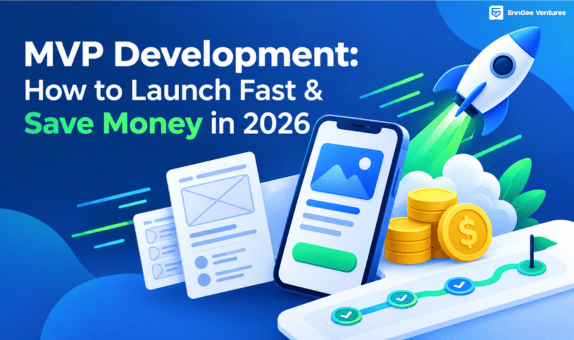
MVP Development: How to Launch Fast & Save Money in 2026
Marketing Team
September 29, 2026 ∙
13 min read
Introduction to MVP Development and Why It Matters
Understanding MVP Development in the Simplest Way
If you are planning to build a digital product, the concept of minimum viable product development is essential to understand. An MVP is the most basic version of your product that includes only the core features required to solve a primary problem for users.
Instead of investing months in building a complete solution, businesses can build MVP fast and launch it with minimal functionality. This allows startups and enterprises to test ideas in real-world conditions before scaling further.
For non-technical founders, think of MVP as a “trial version” of your product. It is not about perfection but about validation. The goal is to learn, adapt, and improve quickly.
Why MVP is the Most Effective Approach for Startups
Startups operate in uncertain environments, and startup MVP development provides a structured way to reduce risk while maximizing learning.
First, MVP development significantly lowers financial risk. Instead of spending heavily on full product development, you invest only in essential features. Second, it accelerates validation. Businesses can quickly determine whether their idea has market demand. Third, it improves decision-making. Data collected from early users helps prioritize features and refine strategies.
This approach is especially valuable in 2026, where competition is intense and speed determines success.
Who Should Consider MVP App Development?
MVP is not just for startups—it is useful for various types of businesses:
Startups validating new ideas
Entrepreneurs launching digital platforms
Companies testing new product features
SaaS MVP development teams exploring new markets
Any business focused on continuous improvement and efficiency can benefit from MVP app development.
Understanding Minimum Viable Product (MVP) in Depth
Clear Definition of an MVP in Software Development
A minimum viable product is a version of a product with just enough features to attract early users and validate a concept. It is a core part of the MVP product development process, allowing teams to test assumptions before committing full-scale development.
Key Traits That Define a Successful MVP
A well-executed MVP shares several important characteristics. It focuses only on essential features, ensuring that development time and cost remain low. It is built for speed, enabling businesses to launch quickly. Most importantly, it evolves based on user feedback, making it a dynamic and adaptable solution.
Key Differences Between MVP and Full Product Development
The comparison of MVP vs full product highlights major differences. An MVP is designed for validation, while a full product is built for scalability. MVPs are faster and cheaper, while full products require significant investment and time. MVPs also allow early feedback, whereas full products often receive feedback after launch.
Real Examples of MVPs That Became Successful Businesses
Many successful companies began with simple MVPs. Airbnb started by renting out air mattresses in a small apartment. Uber initially operated in a limited area with a basic ride-booking system. Dropbox validated its idea using a demo video before building the full product. These examples demonstrate the power of a strong MVP launch strategy.
How MVP Development Reduces Cost and Saves Time
Avoiding Feature Overload During Development
One of the biggest advantages of MVP is that it prevents unnecessary development. Businesses often assume users want many features, but MVP helps validate what is truly needed.
Accelerating Time-to-Market with MVP
Speed is critical in competitive industries. MVP allows businesses to enter the market quickly and gain early traction.
Cost-Effective Offshore Development Teams
Through product validation startup strategies, MVPs provide real insights from users. This feedback helps refine the product and improve user experience.
Lowering Overall Development Expenses
The MVP development cost is significantly lower compared to full-scale development because only core functionalities are built.
Improving Chances of Securing Investment
Investors prefer startups with validated ideas. An MVP demonstrates demand, making it easier to secure funding.
Types of MVPs You Can Build
Low-Fidelity MVP Approaches for Quick Testing
Low-fidelity MVPs are simple and cost-effective. Landing pages can test user interest, while wireframes help visualize the product structure. These approaches are ideal for early-stage validation.
High-Fidelity MVP with Functional Features
High-fidelity MVPs are more advanced and include working features. These are closer to real products and provide a better user experience.
No-Code MVP Development for Faster Launch
Using no-code MVP tools, businesses can create applications without programming. This reduces both time and cost.
Concierge MVP for Personalized Testing
In a concierge MVP, services are delivered manually while appearing automated. This helps validate business models without heavy investment.
Wizard of Oz MVP for Behind-the-Scenes Execution
This approach creates the illusion of automation while processes are handled manually in the background.
Step-by-Step MVP Development Process Explained
Step 1: Validating Your Product Idea
The first step in the MVP product development process is the idea. This involves market research, competitor analysis, and understanding user needs.
Step 2: Defining Core Features for MVP
Identify must-have features that solve the main problem. Avoid adding unnecessary functionality.
Step 3: Designing Wireframes and Prototypes
Wireframes and prototypes help visualize the product and define user experience before development begins.
Step 4: Choosing the Right Technology Stack
Selecting the right tools and frameworks ensures scalability and performance for your MVP software development.
Step 5: Developing the MVP Product
This is where actual coding happens. Using agile MVP development, teams can build and iterate quickly.
Step 6: Testing and Quality Assurance
Testing ensures that the product is stable, functional, and ready for users.
Step 7: Launching the MVP to Users
Once testing is complete, the MVP is launched to early adopters.
Step 8: Collecting Feedback and Iterating
User feedback is collected and used to improve the product continuously.
MVP Development Cost Breakdown in Detail
Cost Estimates Based on Project Complexity
The cost of building an MVP app depends on complexity.
Simple MVP: $3,000 – $10,000
Medium MVP: $10,000 – $30,000
Complex MVP: $30,000+
Cost Based on Development Approach
Choosing the right development model impacts cost. Freelancers are affordable but may lack consistency. Agencies provide structured MVP development services. Dedicated teams are ideal for long-term projects.
Hidden Costs in MVP Development
Businesses often overlook hidden costs such as maintenance, scaling, and rework.
Strategies to Reduce MVP Development Cost
To optimize cost, start small, use existing tools, and outsource wisely.
MVP Development Timeline Explained
Estimated Time Required to Build an MVP
The timeline varies depending on the complexity.
Simple MVP: 2–4 weeks
Medium MVP: 1–3 months
Complex MVP: 3–6 months
Factors That Influence Development Time
The timeline depends on the features, team size, and technology stack.
Choosing the Best Tech Stack for MVP Development
Frontend Technologies for MVP Apps
Popular choices include React, Vue, and Angular.
Backend Technologies for MVP Software
Node.js, Django, and Ruby on Rails are widely used.
No-Code and Low-Code Platforms
These tools help in rapid development and quick deployment.
How to Select the Right Tech Stack
Consider scalability, budget, and project requirements.
Common Mistakes in MVP Development
Adding Too Many Features Too Early
This increases costs and delays launch.
Ignoring User Feedback
Feedback is critical for improvement.
Poor Market Research
Without research, products may fail.
Choosing the Wrong Development Partner
A poor partner can lead to delays and increased costs.
Over-Engineering the MVP
Keep the MVP simple and focused.
Difference Between MVP, Prototype, and PoC
Understanding the Core Differences
Each serves a unique purpose in product development.
When to Use MVP, Prototype, or PoC
Use PoC for feasibility, prototype design, and MVP for launch.
Business Use Cases for Each Approach
Different stages of development require different methods.
Real-World MVP Case Studies
Startup MVP Example
Startups often begin with simple products and scale gradually.
SaaS MVP Development Example
SaaS companies validate subscription models using MVPs.
E-commerce MVP Example
E-commerce businesses start small and expand based on demand.
How to Choose the Right MVP Development Company
Key Factors to Evaluate
Experience, expertise, and portfolio are critical.
Questions to Ask Before Hiring
Understand their process and approach.
Red Flags to Avoid
Avoid companies with poor communication or unrealistic promises.
MVP Development Models Explained
Fixed Cost Model
Best projects with clear requirements.
Dedicated Team Model
Ideal for long-term development.
Time and Material Model
Flexible for evolving projects
MVP vs Full Product: Detailed Comparison Overview
Factor
MVP Approach
Full Product Development
Cost
Low initial investment, Optimized MVP development cost
High upfront investment with full-scale development
Time to Market
Fast launch (weeks to a few months)
Slow launch (several months to a year)
Risk Level
Low risk due to early validation
High risk without real user validation
Features
Limited to core functionalities only
Extensive features with full capabilities
Flexibility
High flexible, easy to iterate
Less flexible due to complex architecture
User Feedback
Collected early during launch
Received late after full development
Scalability
Gradual scaling based on feedback
Built for scale from the beginning
Development Focus
Validation and learning
Performance and expansion
Proven Strategies to Launch Your MVP Faster
Prioritize Your Core Value Proposition
The most successful MVPs focus on solving a single problem exceptionally well. Instead of trying to build a feature-rich product, identify the core value your product delivers and center your development around it. This approach simplifies the MVP product development process and helps build MVP fast without unnecessary delays.
Adopt Agile MVP Development Practices
Using agile MVP development allows teams to work in short iterations, continuously improving the product. Agile ensures flexibility, faster releases, and better collaboration between developers and stakeholders. It also helps reduce the overall MVP development cost by minimizing rework.
Launch Early and Continuously Improve
One of the biggest advantages of MVP is speed. Launch your product as soon as it is functional, then refine it based on real user feedback. This iterative approach is essential for product validation startup strategies and ensures your product evolves according to market demand.
Leverage Offshore Development Teams
Outsourcing experienced teams can significantly reduce the cost to build an MVP app. A reliable MVP software development company can provide access to skilled developers, faster turnaround times, and cost-effective solutions without compromising quality.
Final Thoughts: Launch Quickly and Scale Strategically
Why MVP is the Future of Product Development
In today’s fast-moving digital ecosystem, speed and adaptability define success. MVP app development enables businesses to test ideas quickly, gather insights, and adapt before competitors. This makes MVP not just a strategy but a necessity for modern businesses, especially in SaaS MVP development and startup environments.
Key Takeaways for Businesses and Startups
Minimum viable product development reduces risk and investment
Helps validate ideas through real user feedback
Supports faster go-to-market strategies
Enables continuous improvement using data-driven insights
Works effectively with no-code MVP tools for rapid development
When to Transition from MVP to a Full Product
Once your MVP achieves product-market fit and demonstrates consistent user engagement, it’s time to scale. This involves adding advanced features, improving infrastructure, and optimizing performance.
The shift from MVP vs full product should be based on data, not assumptions. When users demand more functionality and your business model is validated, scaling becomes the next logical step.
Start Your MVP Journey with Expert Support
Get a Free MVP Consultation
If you’re unsure where to start, expert consultation can help you define your roadmap. Professional MVP development services guide you through idea validation, planning, and execution.
Estimate Your MVP Development Cost
Understanding the MVP development cost is crucial before starting. Get a tailored estimate based on your project complexity, features, and timeline.
Talk to MVP Development Experts
Partnering with a trusted MVP software development company ensures your product is built efficiently and strategically. From startup MVP development to enterprise solutions, experts can help you launch faster and scale smarter.
Frequently Asked Questions (FAQs)
1. What is MVP in software development?
An MVP (Minimum Viable Product) is a simplified version of a product built with only essential features to solve a core problem. It is a key part of the minimum viable product development approach used to test ideas quickly. Businesses use MVPs to validate concepts with real users before investing heavily. This helps reduce risk and ensures smarter product decisions.
2. How much does MVP development cost?
The MVP development cost typically ranges from $3,000 to $30,000+, depending on complexity, features, and team structure. A simple MVP app development project costs less, while advanced solutions require higher investment. Factors like tech stack, design, and integration also impact pricing. Choosing the right MVP software development company can help optimize costs.
3. How long does it take to build an MVP?
The timeline for MVP app development usually ranges from 2 weeks to 6 months. Simple MVPs with limited features can be built quickly, while complex solutions take longer. The development speed depends on team size, tools, and the MVP product development process used. Using agile MVP development can significantly speed up delivery.
4. What features should be included in an MVP?
An MVP should include only the core features that directly solve the main user problem. Avoid adding unnecessary functionalities that increase cost and delay launch. The goal is to build MVP fast while delivering real value. Prioritizing essential features ensures efficient startup MVP development and better validation.
5. Is MVP only for startups?
No, MVP is not limited to startups—it is widely used by enterprises and growing businesses. Companies use MVPs to test new ideas, features, or markets before full-scale development. It is especially useful in SaaS MVP development and innovation-driven industries. MVP helps any business reduce risk and validate decisions.
6. Can I build an MVP without coding?
Yes, you can build an MVP without coding using no-code MVP tools like Bubble, Webflow, or Adalo. These platforms allow you to create functional apps quickly and cost-effectively. This approach is ideal for non-technical founders looking to validate ideas. It also reduces the overall cost to build the MVP app significantly.
7. What is the difference between MVP and prototype?
An MVP is a functional product used by real users, while a prototype is a visual or design model. MVP focuses on validation and user feedback, whereas prototypes are used for concept testing. The MVP vs full product journey begins after prototype validation. Both play important roles in the product development lifecycle.
8. How do I validate my MVP idea?
You can validate your idea using product validation startup strategies like market research, competitor analysis, and user surveys. Launching an MVP and collecting real feedback is one of the most effective methods. Data-driven insights help refine your product. A strong MVP launch strategy ensures accurate validation.
9. Which tech stack is best for MVP development?
The best tech stack depends on your product requirements, scalability needs, and budget. Popular choices include React for Frontend and Node.js for backend. Cloud platforms also support scalable MVP software development. Selecting the right stack is crucial for long-term success and performance.
10. Should I outsource MVP development?
Yes, outsourcing can help reduce costs and speed up development when done correctly. Partnering with an experienced MVP software development company ensures quality and efficiency. It gives access to skilled developers without hiring in-house teams. Outsourcing is a smart strategy for startup MVP development.
11. What happens after launching an MVP?
After launching, businesses collect user feedback and analyze product performance. This helps identify improvements and prioritize future features. Continuous iteration is a key part of the MVP product development process. The goal is to refine the product based on real user behavior.
12. How to turn MVP into a full product?
To scale an MVP into a full product, start by analyzing user feedback and market demand. Gradually add new features and improve performance based on insights. This transition from MVP to a full solution is part of the MVP vs full product journey. A well-planned strategy ensures sustainable growth and scalability.
Explore More Insights
Dive into more expert perspectives, trends, and helpful resources.
AI
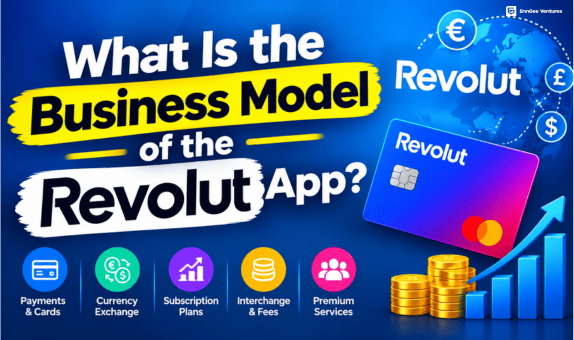
What Is the Business Model of the Revolut App?
Revolut is a digital-first financial platform offering banking, payments, money transfers, cards, and other financial services through its app. Unlike…
Marketing Team
October 18, 2026 ∙
26 min read
AI
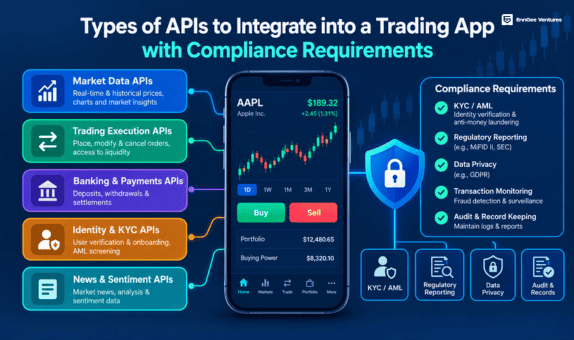
Types of APIs to Integrate into a Trading App with Compliance Requirements
Understanding APIs in Trading Applications APIs connect trading apps with brokers, exchanges, payment gateways, market data providers, and compliance systems.…
Marketing Team
October 13, 2026 ∙
14 min read
App Development
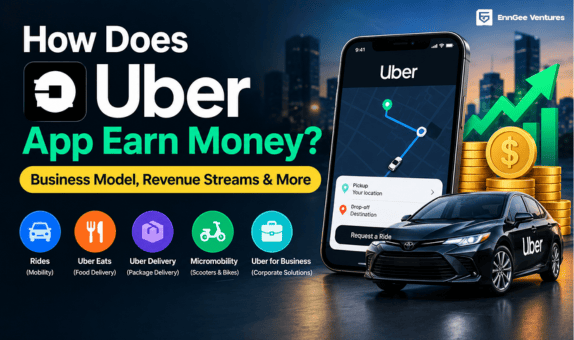
How Does Uber App Earn Money? Business Model, Revenue Streams & More
Uber is a ride-hailing platform that connects riders with drivers through its app. While rides are its core service, Uber…