How to Choose the Best Custom Software Development Company in USA
Marketing Team
October 21, 2026 ∙
18 min read
Enn Gee Ventures helps companies create custom software solutions that match their goals, their daily work processes and their technology needs. Picking up the custom software development partner is important because the right company can help keep development costs under control to make sure the project meets all requirements and offer support for keeping the software working well over time.
More businesses in the USA are looking for custom software solutions because they want applications that fit their operations instead of just using standard software. This guide talks about the thing’s businesses should look at, like technical skills, experience, how they develop software, how much it costs, how secure it is, how they communicate and the support they offer.
What Is a Custom Software Development Company?
Definition of Custom Software Development
A custom software development company builds software according to a business’s specific requirements. It can develop web applications, mobile apps, enterprise systems, customer portals, and other solutions for business needs.
How Custom Software Differs from Off-the-Shelf Software
Off-the-shelf software offers predefined features for a broad range of users. Custom software is developed around specific business processes, allowing companies to choose the features, integrations, workflows, and user roles they need.
Types of Businesses That Need Custom Software
Custom software can benefit businesses with specialized processes or requirements. Common examples include healthcare, finance, logistics, retail, e-commerce, education, real estate, manufacturing, and technology companies.
Common Examples of Custom Software Solutions
Common custom software solutions include CRM systems, ERP platforms, healthcare management software, logistics platforms, e-commerce applications, employee management systems, customer portals, and business intelligence dashboards.
Why the Right Custom Software Development Company Matters
Effect on Software Quality and Performance
The development partner you choose can influence software quality, speed, usability, and reliability. An experienced company can build software that meets your requirements and performs consistently.
Understanding the Total Cost of Development
The lowest initial quote may not always be the most cost-effective option. Consider development, maintenance, updates, integrations, and support costs when comparing companies.
Protecting Business Data and Software
Security should be considered throughout the software development lifecycle.” The company should follow appropriate security practices to protect business data, user information, and software from common risks.
Preparing Software for Future Growth
Your software should support changing business requirements. Choosing a development company that plans for future updates, integrations, and increased users can reduce the need for major changes later.
Define Your Business Requirements Before Choosing a Company
Identify the Core Business Problem
Start by defining the problem your software needs to solve. A clear problem statement helps development companies understand your requirements and suggest an appropriate solution.
Understand Who Will Use the Software
Identify your target users and their needs. Consider whether the software will be used by employees, customers, administrators, partners, or multiple user groups.
Outline the Required Features
Create a list of essential features before contacting development companies. Separate must-have features from optional ones to keep the initial project focused.
Establish Business Goals and KPIs
Set measurable goals for the software, such as reducing processing time, improving customer service, increasing sales, or lowering operational costs. These KPIs help measure the project’s results.
Set a Realistic Development Schedule
Determine your preferred launch timeline and key project milestones. Share your expected schedule with potential development partners to understand whether they can meet your requirements.
Look for Relevant Industry Experience
Value of Industry-Specific Knowledge
A company familiar with your industry can better understand its workflows, customer expectations, and common software requirements. This can reduce misunderstandings during development.
Assessing Experience in Your Sector
Review the company’s previous projects in your industry. Look for experience with similar business models, project requirements, and software types.
Knowledge of Industry Regulations
Some industries have specific requirements for data handling, privacy, security, and compliance. Choose a company that understands the regulations relevant to your business and software.
Industries With Specialized Software Needs
Healthcare, finance, insurance, logistics, retail, education, and manufacturing often require software designed around specific processes, regulations, or data requirements.
Evaluate the Company’s Technical Expertise
Reviewing Languages and Development Frameworks
Check whether the company has experience with the programming languages and frameworks required for your project. The technology stack should match your software’s functionality and technical needs.
Assessing Web and Mobile Development Skills
If you need web or mobile applications, review the company’s experience across relevant platforms. Check whether it can develop for iOS, Android, web, or multiple platforms as required.
Examining Cloud Technology Experience
Cloud expertise can be important for software hosting, data storage, deployment, and infrastructure management. Ask about the cloud platforms and services the company has worked with.
Assessing AI and Machine Learning Experience
If your software requires AI or machine learning, review relevant projects and technical expertise. Look for experience with use cases similar to your business requirements.
Checking API and Integration Capabilities
Your software may need to connect with payment gateways, CRMs, databases, or other third-party services. Confirm that the company has experience developing and managing such integrations.
Review the Company’s Portfolio and Previous Projects
Key Elements of a Strong Portfolio
Review completed projects to understand the company’s technical capabilities, industries served, and types of software it develops. Look for projects that are relevant to your requirements.
Assessing the Complexity of Past Projects
Consider whether the company has handled projects with similar levels of complexity. Large user bases, multiple integrations, complex workflows, and security requirements can indicate relevant experience.
Checking Design and User Experience
Review the usability, navigation, interface design, and overall experience of previous applications. Software should be easy for its intended users to understand and operate.
Studying Case Studies and Results
Case studies can provide details about the client’s problem, development approach, solution, and results. Look for measurable outcomes rather than only project descriptions.
Check Client Reviews and Testimonials
Finding Trustworthy Client Feedback
Check reviews on independent platforms such as Clutch, Good Firms, Google Reviews, and other established review websites. Compare feedback across multiple sources.
Analyzing Both Positive and Negative Reviews
Don’t focus only on ratings. Read individual reviews to understand how the company handles communication, deadlines, technical issues, and client concerns.
Why Client References Matter
Speaking with previous clients can provide direct insight into their experience with the company. Ask about project management, communication, quality, timelines, and post-launch support.
Review Warning Signs
Be cautious about repeated complaints regarding missed deadlines, poor communication, unexpected costs, or inadequate support. A large number of generic or unverifiable reviews should also be examined carefully.
Understand Their Software Development Process
Requirement Discovery and Analysis
The company should first understand your business goals, users, workflows, and technical requirements. A detailed discovery phase helps define the project’s scope before development begins.
Project Planning and Strategy
A clear project plan should cover timelines, milestones, resources, technology choices, and deliverables. This gives both sides a clear understanding of how the project will move forward.
UI/UX Design and Prototyping
The design process should focus on creating clear interfaces and simple user journeys. Wireframes and prototypes can help validate the software experience before coding starts.
Development and Software Engineering
During development, the team converts approved designs and requirements into working software. Regular code reviews and development standards can help maintain code quality.
Quality Assurance and Software Testing
Testing should cover functionality, performance, security, compatibility, and usability. A structured QA process helps identify and fix issues before the software reaches users.
Deployment and Product Launch
Before launching, the development team should prepare the production environment, complete final testing, and deploy the software. A clear launch plan can reduce disruption during the transition.
Ask About Project Management and Communication
Maintaining Clear and Open Communication
Transparent communication helps businesses stay informed about progress, challenges, and changes. The development company should clearly explain project status and any issues that require attention.
Project Management Platforms and Tools
Ask which tools the team uses to manage tasks, documentation, communication, and deadlines. Platforms such as Jira, Trello, Asana, or similar tools can help maintain project visibility.
Schedule for Progress Updates
Agree on how often you will receive project updates. Weekly meetings, sprint reviews, and written progress reports can help you track development without constant follow-ups.
Working With Developers and Project Managers
Understand who will manage your project and how you can communicate with the development team. Having clear points of contact can make decisions and issue resolution easier.
Compare Different Software Development Engagement Models
Fixed-Price Development
A fixed-price model sets the project’s scope and cost in advance. It works well when requirements are clearly defined and unlikely to change significantly during development.
Time-and-Materials Pricing
With this model, you pay based on the time and resources used for development. It can suit projects where requirements may change as development progresses.
Dedicated Development Teams
A dedicated team provides developers and other specialists who work specifically on your project. This model can be useful for long-term development or projects requiring continuous technical work.
Selecting the Right Engagement Approach
Choose the model based on your project’s scope, budget, timeline, and expected changes. Discuss the advantages and limitations of each option before deciding.
Evaluate Software Security Practices
Secure Development Standards
Security should be considered throughout the development of lifecycle. Ask whether the company follows secure coding practices, access controls, code reviews, and security checks.
Data Encryption and Information Protection
Sensitive business and user data should be protected during storage and transmission. Ask about encryption methods, authentication, access permissions, and data handling practices.
Security Testing and Vulnerability Checks
Regular security testing can help identify weaknesses before they become serious issues. Depending on the project, this may include vulnerability scanning, penetration testing, and code analysis.
Meeting US Data Protection Requirements
Your software may need to follow specific US privacy and data protection requirements depending on the industry and type of data involved. Confirm that the development partner understands the relevant requirements for your project.
Check Their Approach to Scalability
Designing Software for Business Growth
The software should be planned with future business requirements in mind. A flexible architecture can make it easier to add features, integrations, and users later.
Using Cloud Infrastructure for Growth
Cloud infrastructure can provide resources that can be adjusted as application requirements change. Ask about the company’s experience with cloud platforms and infrastructure planning.
Improving Application Performance
Performance optimization helps software remain responsive as usage increases. Development teams should monitor factors such as database queries, server resources, application speed, and response times.
Preparing for More Users and Data
Discuss expected growth in users, transactions, and stored data before development begins. This allows the technical team to plan infrastructure and architecture accordingly.
Understand the Cost of Custom Software Development in USA
Key Factors That Influence Development Costs
Custom software costs depend on project scope, features, integrations, technology, team size, testing, security, and ongoing support. A detailed requirement document can help create a more accurate estimate.
Effect of Project Complexity and Features
Projects with complex workflows, multiple user roles, third-party integrations, or advanced features generally require more development time. Define essential features clearly before requesting estimates.
Team Size and Technical Expertise
The number and experience of developers, designers, QA specialists, and project managers can affect the overall cost. The right team size depends on the project’s scope and timeline.
Technology and Infrastructure Expenses
The selected technology stack, cloud services, third-party tools, APIs, and other infrastructure can contribute to development costs. These expenses should be included in the proposal where applicable.
Comparing Software Development Proposals
Don’t compare proposals based only on the final price. Review the scope, deliverables, timeline, technology, team structure, testing, maintenance, and payment terms to understand what each proposal includes.
Avoid Choosing a Company Based Only on Price
Problems With Selecting the Cheapest Provider
A low quote may come with limited experience, reduced testing, weaker support, or an incomplete understanding of the requirements. Focus on the company’s overall fit rather than choosing the lowest price.
Identifying Potential Hidden Costs
Ask whether the proposal includes design, testing, deployment, integrations, maintenance, infrastructure, and post-launch support. Clarifying these costs early can prevent unexpected expenses.
Balancing Software Quality with Budget
Cost matters, but it should be considered alongside quality, security, technical expertise, and project requirements. A reasonable budget should support the level of software your business actually needs.
Assessing Long-Term Software Value
Consider how the software can support your business over time. Reliable performance, maintainability, security, future updates, and the ability to add features can contribute to its long-term value.
Evaluate Post-Launch Support and Maintenance
Handling Bugs and Technical Issues
Post-launch support helps address software bugs, technical problems, and unexpected issues. Confirm how quickly the company responds to support requests and resolves critical problems.
Managing Updates and Software Upgrades
Software may require regular updates to maintain compatibility, security, and performance. Ask whether the company provides ongoing maintenance and technology upgrades.
Monitoring Software Security
Security monitoring can help identify potential vulnerabilities and unusual activity after launch. Discuss whether the development partner provides security checks, updates, and issue resolution.
Adding Features After Product Launch
Business requirements can change after software goes live. Choose a company that can add new features, integrations, and improvements as your needs develop.
Consider the Company’s Location and Time Zone
Advantages of Choosing a USA-Based Company
A USA-based development company may offer easier communication with local clients and a better understanding of US business practices. This can be useful for projects involving local regulations or customers.
Benefits of Matching Working Hours
Similar working hours can make meetings, discussions, and issue resolution easier. However, a strong remote team can also work effectively across different time zones with proper scheduling.
Opportunities for Direct Collaboration
Working within a similar region can make it easier to arrange meetings, workshops, and project discussions. It may also support closer collaboration between business and technical teams.
Managing Remote Teams and Communication
Remote development can work effectively when teams use clear communication channels and project management tools. Regular meetings, shared documentation, and progress tracking help keep projects organized.
Questions to Ask Before Hiring a Custom Software Development Company
Ask About Similar Project Experience
Ask whether the company has worked on projects with similar features, users, industries, or technical requirements. Request relevant examples where possible.
Understand the Project Team Structure
Find out who will work on your project and what roles they will handle. Ask about developers, designers, QA specialists, and project managers involved in the work.
Discuss Timeline and Delivery Management
Ask how the company estimates timelines, tracks milestones, and handles delays. A clear delivery process can help set realistic expectations.
Learn How Requirement Changes Are Managed
Requirements may change during development. Ask how the company evaluates, documents, prices, and schedules changes to the original scope.
Review Their Security Approach
Ask about secure coding, data protection, access controls, testing, and compliance requirements relevant to your project. Make sure security responsibilities are clearly defined.
Confirm Post-Launch Support
Ask what maintenance, bug fixing, updates, monitoring, and technical support are included after launch. Also clarify the duration and cost of ongoing support.
Red Flags to Avoid When Choosing a Software Development Company
Unrealistic Commitments on Cost or Time
Be cautious when a company promises an unusually low price or very short delivery time without first understanding your requirements. Reliable estimates should be based on project scope and complexity.
No Clear Development Method
A company should be able to explain how it handles requirements, design, development, testing, deployment, and support. An unclear process can create confusion during the project.
Weak or Inconsistent Communication
Delayed responses, unclear answers, and limited project updates can make collaboration difficult. Choose a company that provides clear communication and defined points of contact.
Missing Portfolio or Verifiable Reviews
A limited portfolio or lack of verifiable client feedback can make it difficult to assess experience. Look for relevant projects and reviews from credible sources.
Unclear or Incomplete Pricing
Avoid proposals that provide only a total price without explaining scope, deliverables, payment terms, and additional costs. A detailed proposal makes comparison easier.
No Clear Post-Launch Support Plan
Software needs maintenance after launch. If a company does not clearly explain its support, updates, and bug-fixing process, consider this a potential risk.
Step-by-Step Process to Choose a Custom Software Development Company in USA
Step 1: Establish Your Software Requirements
Define the business problem, target users, essential features, integrations, budget, and expected timeline. Clear requirements make it easier to evaluate suitable development companies.
Step 2: Research Potential Development Partners
Create a shortlist of companies with relevant technical and industry experience. Review their websites, services, team expertise, and previous work before contacting them.
Step 3: Examine Portfolios and Case Studies
Review projects similar to your requirements and study their case studies. Look for details about the client’s problem, solution, development process, and results.
Step 4: Compare Technical Capabilities
Compare each company’s experience with the programming languages, frameworks, cloud platforms, APIs, AI technologies, and other tools required for your project.
Step 5: Verify Reviews and Client References
Read reviews from independent platforms and, where possible, speak with previous clients. Pay attention to feedback about communication, quality, timelines, and support.
Step 6: Discuss Pricing and Engagement Options
Request detailed proposals and compare pricing, deliverables, timelines, payment terms, and engagement models. Make sure you understand what is included in the quoted cost.
Step 7: Assess Communication and Working Compatibility
Discuss communication methods, meeting schedules, project management tools, and points of contact. Clear collaboration practices can help keep development organized.
Step 8: Begin With a Consultation or Discovery Phase
Use an initial consultation or discovery phase to discuss your requirements in detail. This can help both sides understand the project’s scope, technical needs, and development approach.
Final Checklist for Choosing a Custom Software Development Partner
Technical Skills and Capabilities
Confirm that the company has the technical expertise required for your software, including relevant development technologies, integrations, cloud services, and security practices.
Relevant Industry Knowledge
Check whether the company understands your industry’s workflows, users, regulations, and software requirements.
Portfolio and Project Evidence
Review previous projects and case studies to assess experience with similar software, features, and levels of complexity.
Verified Client Feedback
Check reviews and testimonials across reliable platforms. Look for specific feedback about development quality, communication, delivery, and support.
Clear Communication Process
Understand how the team communicates, shares progress, manages tasks, and handles project discussions.
Software Security Measures
Ask about secure development, data protection, security testing, access controls, and compliance requirements relevant to your project.
Transparent Pricing
Make sure the proposal clearly explains costs, scope, deliverables, payment terms, and potential additional expenses.
Ongoing Support and Maintenance
Confirm what support is available after launch, including bug fixes, updates, security maintenance, and new feature development.
Conclusion: Choosing the Right Custom Software Development Company in USA
Prioritize Long-Term Business Value
Look beyond the initial development cost and consider how the software can support your business operations, customers, and future requirements.
Balance Expertise, Quality, Cost, and Communication
Compare development companies across technical skills, relevant experience, pricing, communication, security, and support to understand how each fits your project requirements.
Build a Long-Term Technology Partnership
A software project may require updates, maintenance, integrations, and new features after launch. Working with a development company that can support these needs can help maintain the software over time.
Frequently Asked Questions (FAQs)
How Do I Choose a Custom Software Development Company in the USA?
Define your requirements first, then compare companies based on technical expertise, industry experience, portfolio, reviews, pricing, communication, security, and post-launch support.
What Should I Look for in a Custom Software Development Company?
Look for relevant experience, technical capabilities, clear communication, transparent pricing, strong security practices, reliable project management, and ongoing support.
How Much Does Custom Software Development Cost in the USA?
The cost varies based on features, project complexity, integrations, technology, team size, development time, testing, and support requirements. A detailed project scope is needed for a more accurate estimate.
How Long Does It Take to Develop Custom Software?
Development time depends on the software’s complexity, number of features, integrations, testing requirements, and team size. Simple projects may take a few months, while larger platforms can take considerably longer.
Should I Choose a USA-Based Software Development Company?
Consider your communication needs, time zone, project requirements, budget, and familiarity with US business practices. A USA-based company can offer convenient collaboration, but remote development teams can also support US businesses.
How Can I Check a Software Company’s Technical Expertise?
Review its portfolio, case studies, technology stack, developer experience, certifications, and previous projects. Ask technical questions related to your project’s requirements during the consultation.
What Questions Should I Ask Before Hiring a Software Development Company?
Ask about similar projects, team structure, development process, timeline management, pricing, security practices, requirement changes, intellectual property, and post-launch support.
Why Is Industry Experience Important in Custom Software Development?
Industry experience can help a development team understand specific workflows, users, regulations, and common software requirements. This can make requirement gathering and development more efficient.
What Engagement Model Is Best for Custom Software Development?
The appropriate model depends on your project’s scope, budget, timeline, and expected changes. Common options include fixed-price, time-and-materials, and dedicated development teams.
How Important Is Post-Launch Software Support?
Post-launch support is important for fixing bugs, applying updates, addressing security issues, maintaining performance, and adding features as business requirements change.
What Are the Biggest Red Flags When Hiring a Software Development Company?
Common warning signs include unrealistic timelines, unclear pricing, poor communication, limited project evidence, an undefined development process, and no clear post-launch support plan.
How Can I Compare Different Custom Software Development Companies?
Create a comparison based on technical expertise, industry experience, portfolio, reviews, communication, security, pricing, development process, and ongoing support. This provides a consistent way to assess each company against your requirements.
Explore More Insights
Dive into more expert perspectives, trends, and helpful resources.
AI
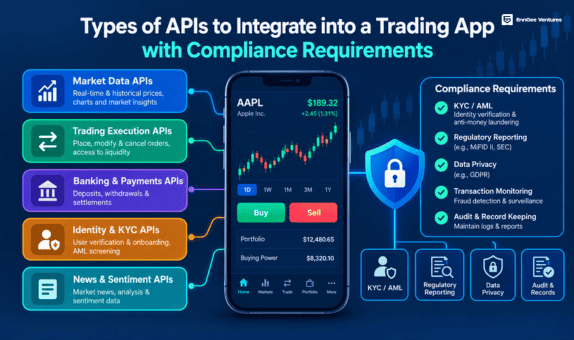
Types of APIs to Integrate into a Trading App with Compliance Requirements
Understanding APIs in Trading Applications APIs connect trading apps with brokers, exchanges, payment gateways, market data providers, and compliance systems.…
Marketing Team
October 13, 2026 ∙
14 min read
App Development
How to Build an iGaming Sportsbook Platform Like Bet365 (2026 Complete Development Guide)
The iGaming industry has rapidly evolved into a multi-billion-dollar global ecosystem, and sportsbook platforms are one of its most profitable…
Marketing Team
October 9, 2026 ∙
45 min read
Software Development
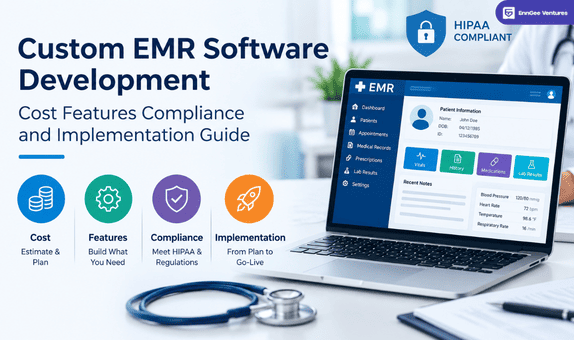
Custom EMR Software Development: Cost, Features, Compliance and Implementation Guide
At Enn Gee Ventures, we develop custom EMR software tailored to the unique needs of healthcare providers, helping streamline clinical…